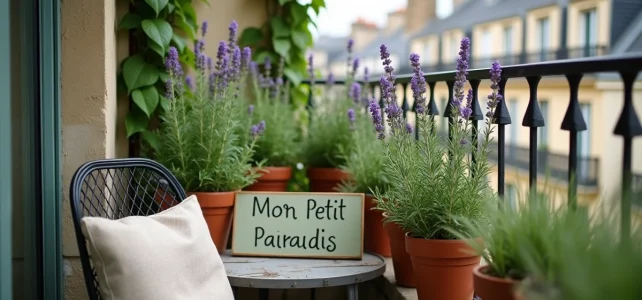
A small outdoor garden rarely has a name. It remains “the garden,” “the terrace,” or “the patch of land behind the house.” Assigning it a specific name transforms the perception of the space: the name delineates an identity, guides planting choices, and provides a thread for landscaping. This principle applies equally to a city courtyard and a green square in a condominium.
Why naming a small garden changes the way it is designed
Giving a name to an outdoor space, even a modest one, amounts to setting a program for it. A garden named “The Herb Garden” will naturally steer decisions towards culinary plants, a light gravel ground, and low borders. A garden called “The Canopy” will suggest a sprawling tree, ferns, and a shaded corner.
Recommended read : How to Choose the Right Equipment and Tips for Daily Home Use
The name acts as an implicit specification. It prevents the accumulation of plants without coherence and helps make decisions when two planting ideas conflict. If the name evokes freshness (“The Spring,” “The Washhouse”), a bed of dry grasses will seem out of place.
To explore concrete naming ideas suitable for small spaces, you can find a garden name with Une Fleur Un Jardin by consulting thematic lists categorized by ambiance and style.
Related reading : How to Choose the Right Swimsuit to Enhance Your Curves?
This link between name and project also works in reverse: a garden already designed around old roses will find its identity in a name like “The Rose Garden” or “The May Bed,” which enhances the overall readability for visitors or neighbors.
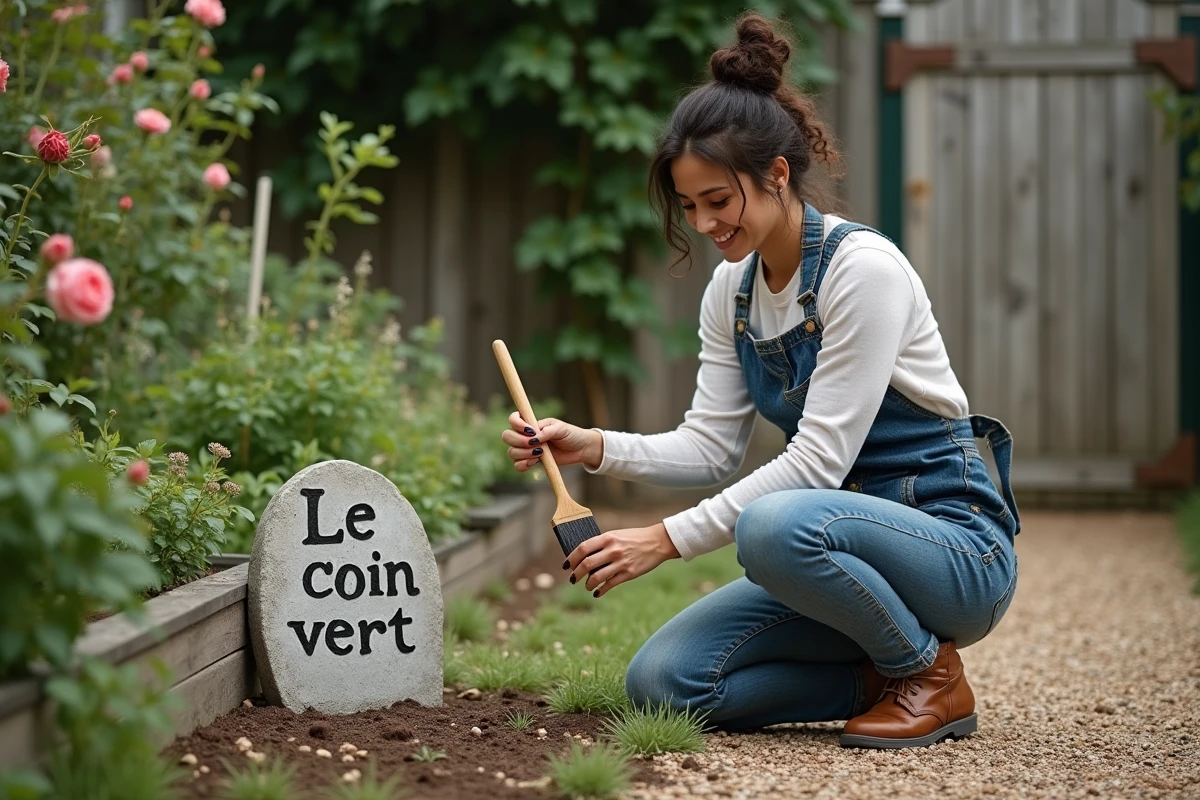
Name categories for an outdoor garden: botanical, geographical, poetic
Garden names fall into three main categories, each with its effects on the image of the space.
The botanical category
The name is based on a dominant plant or a plant ensemble: “The Hydrangea Garden,” “The Mint Square,” “The Flowering Hedge.” This category works well for small gardens, as it highlights a deliberate and identifiable choice of flowers or shrubs.
The geographical or heritage category
The name refers to the place, the land, or the history of the site: “The Washhouse Enclosure,” “The Little Courtyard of the Old Wall,” “The Meadow of the Alley.” This type of name anchors the garden in its built environment. It is particularly suitable for inner courtyards and urban gardens backed by an old wall or architectural element.
The poetic or sensory category
The name evokes a sensation, an atmosphere, or an image: “The Green Shadow,” “The Whisper,” “The Refuge.” This category allows for more freedom in design but benefits from being associated with a concrete element (a fountain for “The Whisper,” a bench surrounded by dense vegetation for “The Refuge”).
Mixing two categories often produces the most memorable names: “The Wisteria Arbor” combines a built element (arbor) and a plant (wisteria). “The Wild Enclosure” combines heritage and a naturalistic ambiance.
Labels and ecological trends that influence name choice
In recent years, a trend has encouraged garden owners, including those with small spaces, to choose names related to ecology and biodiversity. Terms like “edible garden,” “micro-forest,” “biodiversity oasis,” or “LPO refuge” are no longer reserved for large parks.
Civic labels like LPO Refuge or Nature Oasis encourage individuals to display their commitment, even on a simple garden plaque. The chosen name then becomes a visible commitment from the street.
Before fixing a name on a plaque or sign, it is important to check a few practical points:
- Some local urban planning regulations (PLU or PLUi) govern signs and name plaques visible from the public road, even for a private garden. A prior declaration may be required depending on the municipality.
- In a condominium, the charter may limit the size, material, or lighting of a plaque affixed to a facade or gate.
- If the garden is open for visits (guest rooms, micro-gite, shared garden), checking the name’s availability on Google Maps and as a domain name avoids conflicts with an existing establishment.

A concrete method for choosing a small garden name
Rather than seeking inspiration in the abstract, a methodical approach yields better results. It relies on observing the land and a three-step filter.
- List the physical elements of the garden: soil (earth, gravel, slabs, wood), structures (wall, trellis, arbor, low wall), dominant plants (tree, shrub, climbing plants, perennial flowers).
- Identify the main ambiance: shaded, sunny, mineral, lush, edible, meditative.
- Cross a physical element with the ambiance to form a candidate name. “The Flowering Wall” (structure + plant), “The Evening Vegetable Garden” (function + atmosphere), “The Courtyard of the Fig Trees” (place + tree).
Testing the name out loud remains a good reflex. A name that is easily pronounced and remembered by neighbors after a single mention fulfills its function. A name that is too long (more than four or five words) or too abstract will be forgotten or distorted.
The best name describes what the visitor will see upon entering. If the garden contains a single remarkable tree, an olive tree for example, “The Olive Tree” or “The Garden of the Olive Tree” is sufficient. Simplicity almost always prevails over forced originality.
A small outdoor garden named appropriately gains in plant coherence, identity in relation to the neighborhood, and sometimes in digital visibility for those who open their space to the public. The name does not need to be final: a garden evolves, and its name can follow the changes when the plantings change character.