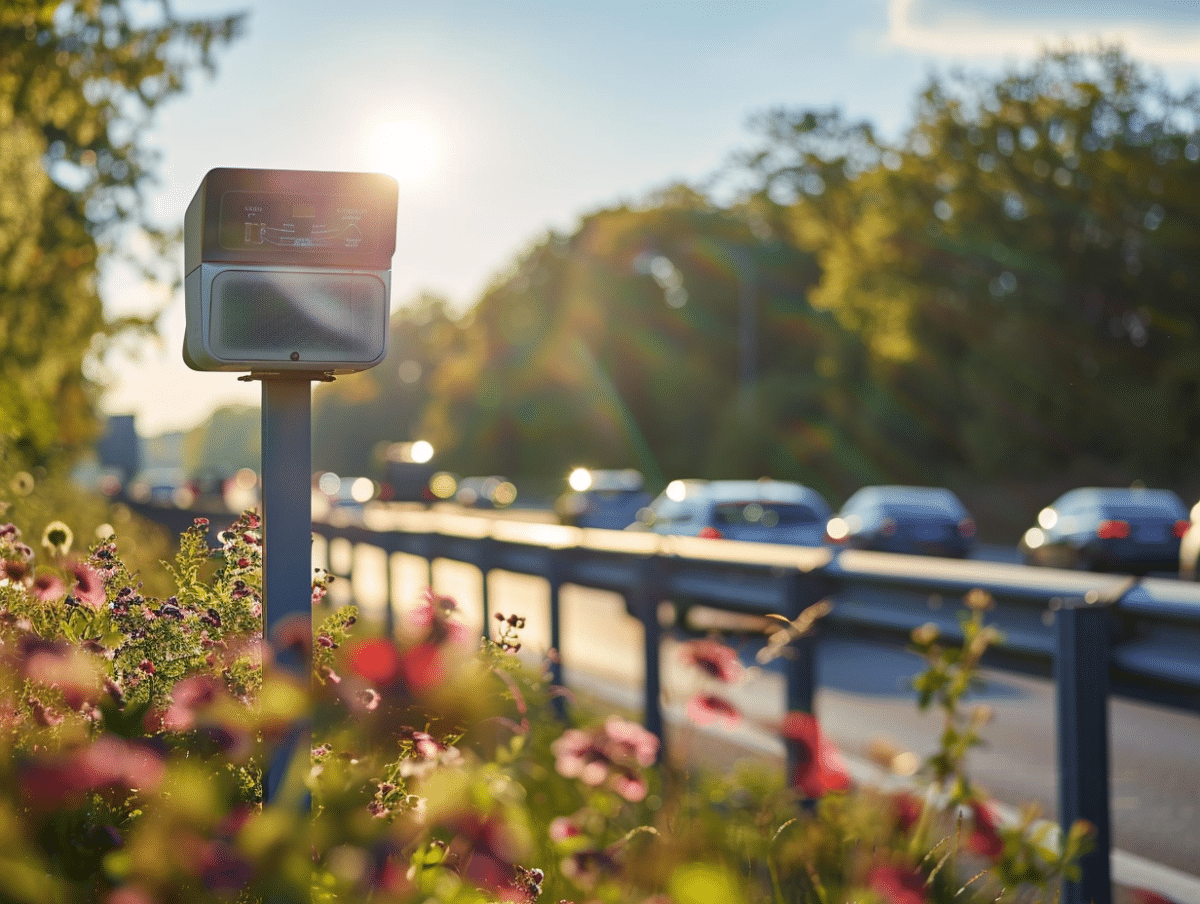
The precise assessment of road parameters is fundamental for traffic safety and efficiency. The most common road measurement instruments are designed to quantify various aspects such as vehicle speed, traffic density, and road conditions. Speed radars, ubiquitous, use Doppler waves to detect vehicle speed. Inductive loops, buried under the road surface, measure the number of vehicles and their speed by detecting disturbances in the magnetic field. Deflectographs, on the other hand, evaluate the structural condition of roads by measuring the deformation of the pavement under the effect of a standardized load.
The most commonly used road measurement instruments
In the technological arsenal of law enforcement, the speedometer holds a prominent place. This device, essential for measuring vehicle speed, proves to be a decisive tool in the enforcement of speed limit legislation. Through this technological vigilance, driving violations are penalized, thereby ensuring greater compliance with current standards. The brand Millia Gatso is among the recognized suppliers of these control devices, reflecting the trust placed by authorities in this advanced technology.
The breathalyzer, for its part, is the measurement instrument dedicated to detecting blood alcohol levels in drivers. The use of this device is part of a preventive and punitive approach aimed at reducing accidents related to alcohol consumption. The accuracy of these measurements plays a fundamental role in the credibility and effectiveness of road checks.
These instruments, whether speedometers or breathalyzers, are subject to periodic verification. This procedure, essential to ensure the integrity of the measurements, is the responsibility of verification bodies. These bodies, operating under the regulatory framework of decree n°2001-387 of May 3, 2001, attest to the compliance of the devices, a sine qua non condition for the legal validity of the checks conducted.
You must emphasize that any flaw in the verification can lead to annulments of procedures by the courts, even to sanctions from the Court of Cassation. In this regard, the role of consulting firms such as Kirmen & Lefebvre is crucial to support law enforcement and verification bodies in the scrupulous application of these regulatory devices. Distance measurement, speed measurement, and the control of measuring instruments are part of a strict legal framework, ensuring both road safety and the respect of users’ rights.
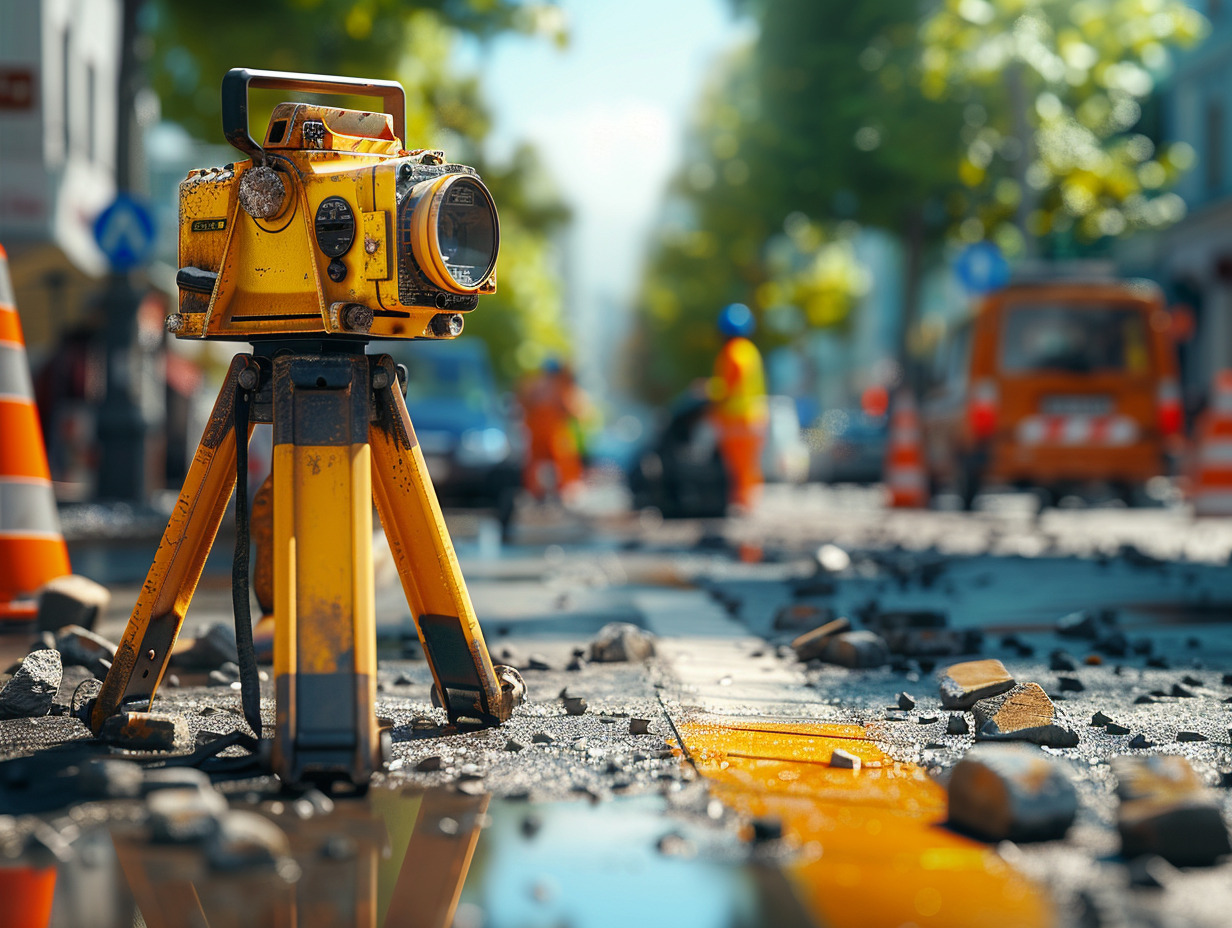
The operation of road measurement instruments
The speedometer, sometimes referred to as a speed radar, generally operates on the principle of the Doppler effect. This physical phenomenon, well known to specialists, allows for the deduction of the speed of a moving object based on the variation in the frequency of the waves emitted by the device and reflected by the vehicle. The accuracy of these measurements relies on meticulous calibrations and the use of standard gauges, ensuring the reliability of the data collected, even under variable temperature and humidity conditions.
The breathalyzer requires, for its part, a different methodology. The analysis of the air exhaled by the driver allows for measuring the concentration of alcohol in the blood. This measuring device, essential in the fight against drunk driving, relies on rigorous analytical chemistry and strict verification standards. Each breathalyzer must undergo a type examination before being put into service and periodic verifications to ensure its proper functioning.
The periodic verification is therefore the guarantee of integrity for these instruments. These regular checks are carried out by independent verification bodies, operating within the legislative framework established by decree n°2001-387 of May 3, 2001. This regulation, which sets the application modalities of the control provisions, is fundamental to ensure that the law is upheld. Indeed, a flaw in this compliance chain could lead to annulments of procedures by the courts, even to sanctions from the Court of Cassation, jeopardizing road safety.