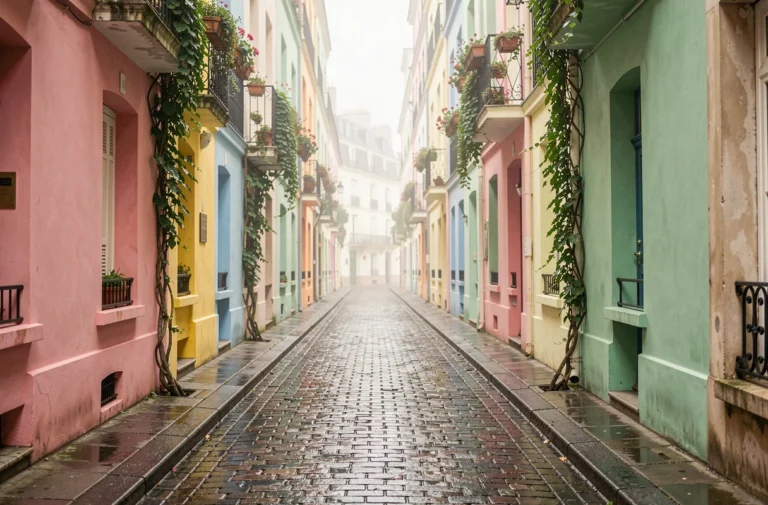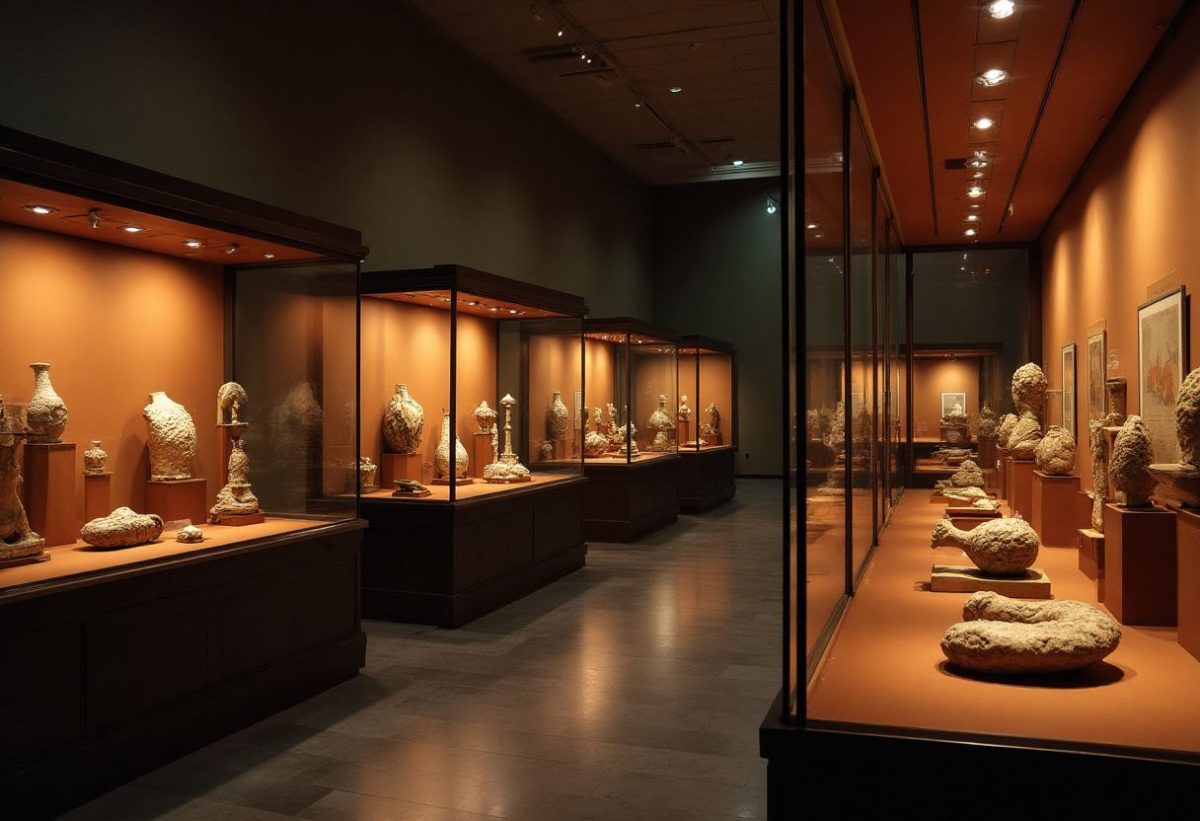
Cultural heritage, a true mirror of the evolution of human societies, stands as an unwavering witness to the past. It is much more than a mere echo of bygone times; it constitutes the very essence of our collective identity. By exploring historical sites, admiring ancient works of art, or participating in rituals passed down from generation to generation, we immerse ourselves in an ocean of traditions, beliefs, and values that have shaped our world. The preservation of this heritage has become a major issue, as it not only guarantees the safeguarding of our common legacy but also the transmission of invaluable knowledge to future generations.
The different forms of cultural heritage
Cultural heritage takes on multiple facets, each carrying a part of human history and the diversity of cultures.
- Tangible heritage: this includes tangible objects such as historical monuments, works of art, archives, and archaeological artifacts. These elements symbolize the artistic, architectural, and technical achievements of past civilizations.
- Intangible heritage: these are the traditions, oral expressions, rituals, festive events, and know-how passed down from generation to generation. They represent the living soul of communities and their relationship with the environment.
- Natural heritage: encompassing landscapes, geological formations, and biodiversity, it is closely linked to the cultural practices and spirituality of many peoples. The protection of this heritage is essential for preserving environmental and cultural balance.
The importance of heritage preservation
Preserving cultural heritage is not limited to conserving artifacts or traditions; it is also a way to strengthen identity and social cohesion.
By safeguarding these witnesses of the past, societies ensure that future generations will understand their roots and evolution. Furthermore, cultural heritage stimulates tourism, thereby contributing to the local and national economy. Restoration and enhancement projects of heritage sites raise awareness among local populations about the importance of their heritage, generating a sense of pride and belonging. Finally, cultural heritage offers a platform for exchange and dialogue between cultures. It promotes peace and mutual understanding in a constantly changing world.
The challenges of heritage conservation
Despite its undeniable importance, the preservation of cultural heritage faces numerous obstacles that require urgent attention.
Armed conflicts, climate change, rampant urbanization, and ignorance threaten to destroy invaluable treasures. Historical sites and works of art are often targets for unscrupulous traffickers, necessitating international cooperation to combat this scourge. The financial and human resources allocated to heritage conservation are often insufficient, making it difficult to implement ambitious restoration projects. Nevertheless, some initiatives are emerging, such as patrimy, which offers professional analyses of heritage to better manage and protect these cultural riches.
The role of technology in heritage preservation
Modernity, far from being an adversary of tradition, proves to be a valuable ally in the preservation of cultural heritage.
- The digitization of archives and collections allows for the preservation of essential information, accessible to all via online platforms.
- Cutting-edge technologies, such as virtual and augmented reality, provide visitors with an immersive experience in historical sites without risking damage.
- Drones and 3D scanners are now part of the efforts to map and document heritage sites, offering unprecedented precision and speed in restoration projects.
Local communities are also involved in these technological initiatives, thus strengthening their role as guardians of their own heritage.
Preserving cultural heritage remains a significant challenge, but it is essential for the continuity and evolution of our collective legacy. By combining the efforts of institutions, communities, and technological advancements, we can hope to pass on to future generations a world rich in its past, inspiring in its present, and promising for its future.